

• Asia Pacific Nuclear Power Market Size, Share, Price, Trends, Growth, Analysis, Report, Forecast 2025-2032

    Asia-Pacific Nuclear Power Market Charges Ahead: Regional Leap in Clean Energy
    Market Estimation & Definition
    The Asia-Pacific nuclear power market was valued at USD 7,521.56 million in 2024, according to Stellar Market Research, and is projected to grow at a compound annual growth rate (CAGR) of 3.1% from 2025 to 2032, reaching approximately USD 9,602.34 million by 2032.
    In this context, nuclear power refers to electricity generated by controlled nuclear fission reactions via reactor systems such as pressurized water reactors, heavy-water reactors, small modular reactors (SMRs), and more. These systems provide a low-carbon, baseload energy source that is increasingly attractive as countries in the region decarbonize and scale up power generation.

    Request Free Sample Report:https://www.stellarmr.com/report/req_sample/asia-pacific-nuclear-power-market/2720

    Market Growth Drivers & Opportunity
    Several key factors are driving the Asia-Pacific nuclear power market:

    Rising Power Demand & Economic Growth
    Rapid industrialization and high electricity demand (growing at around 3–4% annually in many APAC countries) are pushing governments to expand clean baseload capacity.

    Decarbonization & Energy Security
    Nuclear energy’s low-carbon profile makes it a strategic choice for nations aiming to reduce reliance on fossil fuels. Many Asia-Pacific countries are viewing nuclear as a critical part of their long-term energy mix to meet climate targets.

    Innovation via SMRs (Small Modular Reactors)
    The adoption of SMRs is a major opportunity. These reactors, due to their modular nature, lower capital cost, and flexibility, are increasingly being developed — particularly in China and India.

    High Nuclear Construction Activity
    The region is home to a large share of global nuclear construction: the report notes around 130–140 operational reactors in APAC, with 40–45 under construction, representing a large expansion of nuclear capacity.

    Hybrid Energy Systems
    There is growing interest in hybrid systems that combine nuclear with renewables and storage, improving grid stability and optimizing energy mix for future demand.

    On the flip side, high upfront capital costs, long construction timelines (5–11 years), and regulatory complexities remain significant obstacles.

    What Lies Ahead: Emerging Trends Shaping the Future
    Looking forward, several important trends are likely to shape the Asia-Pacific nuclear power landscape:

    Acceleration of SMR Deployment: SMRs are expected to play a central role in future capacity expansion, especially for smaller grids or remote regions.

    Advanced Reactor Technologies: Generation IV designs (e.g., fast breeder reactors, gas-cooled reactors) may gain more attention, offering enhanced safety and fuel efficiency.

    Stronger Policy & Public Support: As nuclear’s role becomes more critical in clean energy strategies, governments may streamline licensing and incentivize private and public investments.

    Sustainable & Hybrid Energy Systems: Combining nuclear with renewables and storage to address intermittency and maintain grid stability.

    Cross-Border Collaboration: Regional partnerships (e.g., technology sharing, joint projects) may intensify, especially as countries like China, India, South Korea, and Japan expand their nuclear capabilities.

    Segmentation Analysis
    According to the report, the Asia-Pacific nuclear power market is segmented as follows:

    By Reactor Type

    Pressurized Water Reactor (PWR)

    Pressurized Heavy Water Reactor (PHWR)

    Boiling Water Reactor (BWR)

    High-Temperature Gas-cooled Reactor (HTGR)

    Liquid Metal Fast Breeder Reactor

    Small Modular Reactors (SMRs)

    Microreactors

    Other reactor types

    Among these, Pressurized Water Reactors (PWR) held the dominant share in 2024 due to their maturity, safety track record, and broad deployment in the region.

    By Application

    Energy (Electricity Generation)

    Defence

    Others


    About us
    Phase 3,Navale IT Zone, S.No. 51/2A/2,

    Office No. 202, 2nd floor,

    Near, Navale Brg,Narhe,

    Pune, Maharashtra 411041

    sales@stellarmr.com
    Asia Pacific Nuclear Power Market Size, Share, Price, Trends, Growth, Analysis, Report, Forecast 2025-2032 Asia-Pacific Nuclear Power Market Charges Ahead: Regional Leap in Clean Energy Market Estimation & Definition The Asia-Pacific nuclear power market was valued at USD 7,521.56 million in 2024, according to Stellar Market Research, and is projected to grow at a compound annual growth rate (CAGR) of 3.1% from 2025 to 2032, reaching approximately USD 9,602.34 million by 2032. In this context, nuclear power refers to electricity generated by controlled nuclear fission reactions via reactor systems such as pressurized water reactors, heavy-water reactors, small modular reactors (SMRs), and more. These systems provide a low-carbon, baseload energy source that is increasingly attractive as countries in the region decarbonize and scale up power generation. Request Free Sample Report:https://www.stellarmr.com/report/req_sample/asia-pacific-nuclear-power-market/2720 Market Growth Drivers & Opportunity Several key factors are driving the Asia-Pacific nuclear power market: Rising Power Demand & Economic Growth Rapid industrialization and high electricity demand (growing at around 3–4% annually in many APAC countries) are pushing governments to expand clean baseload capacity. Decarbonization & Energy Security Nuclear energy’s low-carbon profile makes it a strategic choice for nations aiming to reduce reliance on fossil fuels. Many Asia-Pacific countries are viewing nuclear as a critical part of their long-term energy mix to meet climate targets. Innovation via SMRs (Small Modular Reactors) The adoption of SMRs is a major opportunity. These reactors, due to their modular nature, lower capital cost, and flexibility, are increasingly being developed — particularly in China and India. High Nuclear Construction Activity The region is home to a large share of global nuclear construction: the report notes around 130–140 operational reactors in APAC, with 40–45 under construction, representing a large expansion of nuclear capacity. Hybrid Energy Systems There is growing interest in hybrid systems that combine nuclear with renewables and storage, improving grid stability and optimizing energy mix for future demand. On the flip side, high upfront capital costs, long construction timelines (5–11 years), and regulatory complexities remain significant obstacles. What Lies Ahead: Emerging Trends Shaping the Future Looking forward, several important trends are likely to shape the Asia-Pacific nuclear power landscape: Acceleration of SMR Deployment: SMRs are expected to play a central role in future capacity expansion, especially for smaller grids or remote regions. Advanced Reactor Technologies: Generation IV designs (e.g., fast breeder reactors, gas-cooled reactors) may gain more attention, offering enhanced safety and fuel efficiency. Stronger Policy & Public Support: As nuclear’s role becomes more critical in clean energy strategies, governments may streamline licensing and incentivize private and public investments. Sustainable & Hybrid Energy Systems: Combining nuclear with renewables and storage to address intermittency and maintain grid stability. Cross-Border Collaboration: Regional partnerships (e.g., technology sharing, joint projects) may intensify, especially as countries like China, India, South Korea, and Japan expand their nuclear capabilities. Segmentation Analysis According to the report, the Asia-Pacific nuclear power market is segmented as follows: By Reactor Type Pressurized Water Reactor (PWR) Pressurized Heavy Water Reactor (PHWR) Boiling Water Reactor (BWR) High-Temperature Gas-cooled Reactor (HTGR) Liquid Metal Fast Breeder Reactor Small Modular Reactors (SMRs) Microreactors Other reactor types Among these, Pressurized Water Reactors (PWR) held the dominant share in 2024 due to their maturity, safety track record, and broad deployment in the region. By Application Energy (Electricity Generation) Defence Others About us Phase 3,Navale IT Zone, S.No. 51/2A/2, Office No. 202, 2nd floor, Near, Navale Brg,Narhe, Pune, Maharashtra 411041 sales@stellarmr.com
    0 Commenti 0 condivisioni 2K Views 0 Anteprima
  • U.S. Biofuels Market Growth Driven by Renewable Mandates

    Government incentives, advanced feedstock technologies and decarbonization mandates are catalyzing growth in the U.S. biofuels market. Renewable Fuel Standard revisions and low-carbon fuel policies continue to drive investment in next-generation bioethanol and biodiesel capacity. Technological innovation in enzymatic hydrolysis and carbon capture integration also underpins ongoing expansion. Increasing consumer and industrial demand for low-carbon solutions has further amplified market growth momentum.

    Get More Insights on U.S. Biofuels Market
    https://www.patreon.com/posts/u-s-biofuels-by-131576217

    #USBiofuelsMarket #SustainableAviationFuel #RenewableDiesel #InflationReductionAct #CoherentMarketInsights
    U.S. Biofuels Market Growth Driven by Renewable Mandates Government incentives, advanced feedstock technologies and decarbonization mandates are catalyzing growth in the U.S. biofuels market. Renewable Fuel Standard revisions and low-carbon fuel policies continue to drive investment in next-generation bioethanol and biodiesel capacity. Technological innovation in enzymatic hydrolysis and carbon capture integration also underpins ongoing expansion. Increasing consumer and industrial demand for low-carbon solutions has further amplified market growth momentum. Get More Insights on U.S. Biofuels Market https://www.patreon.com/posts/u-s-biofuels-by-131576217 #USBiofuelsMarket #SustainableAviationFuel #RenewableDiesel #InflationReductionAct #CoherentMarketInsights
    0 Commenti 0 condivisioni 3K Views 0 Anteprima
  • Thin Film Solar Cell Market to See Surge Due to Innovation

    Thin film solar cells represent a cutting-edge photovoltaic technology that uses very thin layers of semiconductor material to convert sunlight into electricity. Unlike traditional crystalline silicon modules, thin film variants employ materials such as cadmium telluride, copper indium gallium selenide, and amorphous silicon, enabling lighter, more flexible panels that can be integrated into building facades, vehicle rooftops, and portable devices. As global energy demand rises and governments push for decarbonization, thin film solar cells are positioned to capture significant market share by offering versatile solutions that address rooftop shading, architectural design constraints, and off-grid electrification needs.

    Get More Insights on Thin Film Solar Cell Market
    https://www.patreon.com/posts/thin-film-solar-131291327

    #ThinFilmSolarCellMarket #RenewableEnergy #FlexibleSolarTechnology
    #BuildingIntegratedPhotovoltaics #CoherentMarketInsights
    Thin Film Solar Cell Market to See Surge Due to Innovation Thin film solar cells represent a cutting-edge photovoltaic technology that uses very thin layers of semiconductor material to convert sunlight into electricity. Unlike traditional crystalline silicon modules, thin film variants employ materials such as cadmium telluride, copper indium gallium selenide, and amorphous silicon, enabling lighter, more flexible panels that can be integrated into building facades, vehicle rooftops, and portable devices. As global energy demand rises and governments push for decarbonization, thin film solar cells are positioned to capture significant market share by offering versatile solutions that address rooftop shading, architectural design constraints, and off-grid electrification needs. Get More Insights on Thin Film Solar Cell Market https://www.patreon.com/posts/thin-film-solar-131291327 #ThinFilmSolarCellMarket #RenewableEnergy #FlexibleSolarTechnology #BuildingIntegratedPhotovoltaics #CoherentMarketInsights
    0 Commenti 0 condivisioni 2K Views 0 Anteprima
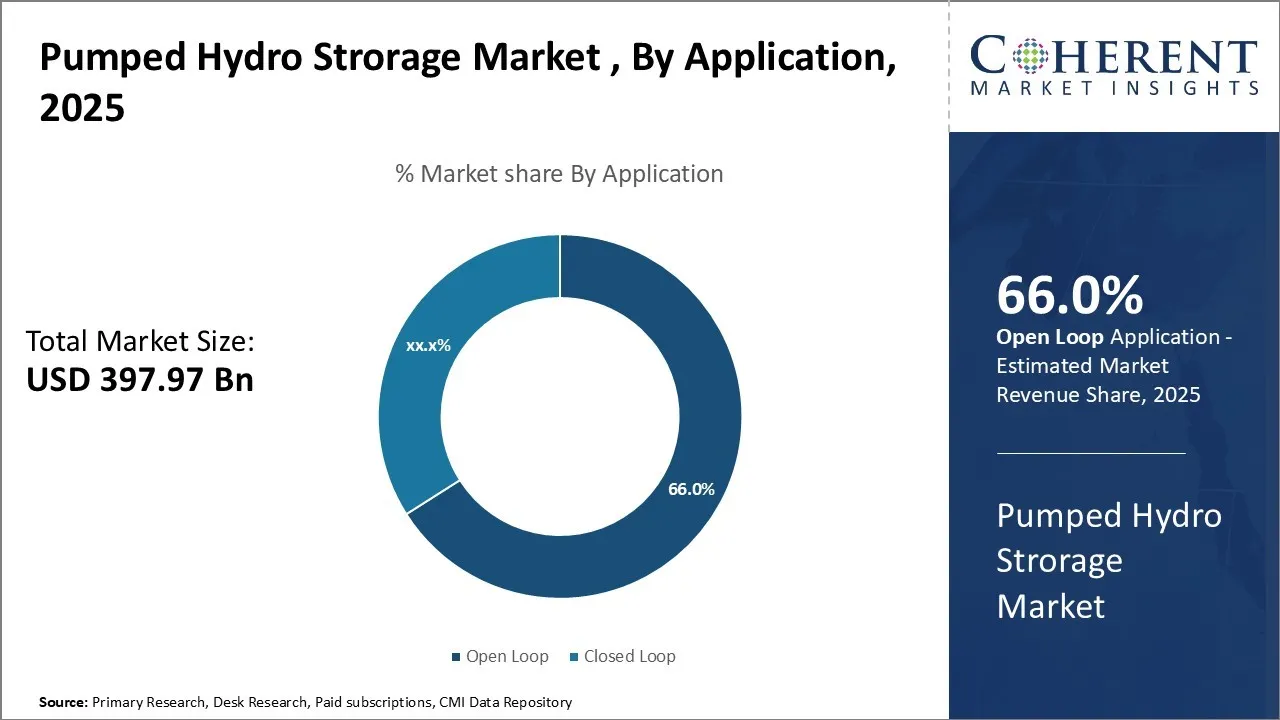
  • Pumped Hydro Storage Market Sees Growth from IoT Integration

    The Pumped Hydro Storage Market delivers large-scale energy storage solutions by moving water between reservoirs at different elevations to store and release power. These systems offer rapid response times, high efficiency, and long operational lifespans, making them vital for grid stabilization and peak-shaving in renewable-rich power networks. As governments and utilities pursue decarbonization, pumped hydro installations help balance intermittent wind and solar power, reduce reliance on fossil peaker plants, and unlock new market opportunities in emerging regions.

    Pumped Hydro Storage Market Opportunities arise from rising renewable penetration, evolving regulatory frameworks, and growing demand for ancillary services. As grid operators seek flexible capacity to manage variable supply, pumped hydro provides reliable frequency regulation and voltage support.

    The Global Pumped Hydro Storage Market is estimated to be valued at US$ 397.97 Bn in 2025 and is expected to exhibit a CAGR of 6.9% over the forecast period 2025 to 2032.

    Pumped Hydro Storage Market
    https://www.coherentmarketinsights.com/market-insight/pumped-hydro-storage-market-5307


    Get More Insights On Pumped Hydro Storage Market
    https://www.zupyak.com/p/4582099/t/pumped-hydro-storage-market-trends-by-renewable-integration


    #PumpedHydroStorageMarket,#PumpedHydroStorageMarketsize,#PumpedHydroStorageMarketshare,#PumpedHydroStorageMarketApplication,#PumpedHydroStorageMarkettrends


    Pumped Hydro Storage Market Sees Growth from IoT Integration The Pumped Hydro Storage Market delivers large-scale energy storage solutions by moving water between reservoirs at different elevations to store and release power. These systems offer rapid response times, high efficiency, and long operational lifespans, making them vital for grid stabilization and peak-shaving in renewable-rich power networks. As governments and utilities pursue decarbonization, pumped hydro installations help balance intermittent wind and solar power, reduce reliance on fossil peaker plants, and unlock new market opportunities in emerging regions. Pumped Hydro Storage Market Opportunities arise from rising renewable penetration, evolving regulatory frameworks, and growing demand for ancillary services. As grid operators seek flexible capacity to manage variable supply, pumped hydro provides reliable frequency regulation and voltage support. The Global Pumped Hydro Storage Market is estimated to be valued at US$ 397.97 Bn in 2025 and is expected to exhibit a CAGR of 6.9% over the forecast period 2025 to 2032. Pumped Hydro Storage Market https://www.coherentmarketinsights.com/market-insight/pumped-hydro-storage-market-5307 Get More Insights On Pumped Hydro Storage Market https://www.zupyak.com/p/4582099/t/pumped-hydro-storage-market-trends-by-renewable-integration #PumpedHydroStorageMarket,#PumpedHydroStorageMarketsize,#PumpedHydroStorageMarketshare,#PumpedHydroStorageMarketApplication,#PumpedHydroStorageMarkettrends
    WWW.COHERENTMARKETINSIGHTS.COM
    Pumped Hydro Storage Market Trends & Forecast, 2025-2032
    Pumped Hydro Storage Market size is expected to reach USD 634.88 Bn by 2032, from USD 397.97 Bn in 2025, exhibiting a CAGR of 6.9% during the forecast period.
    0 Commenti 0 condivisioni 970 Views 0 Anteprima
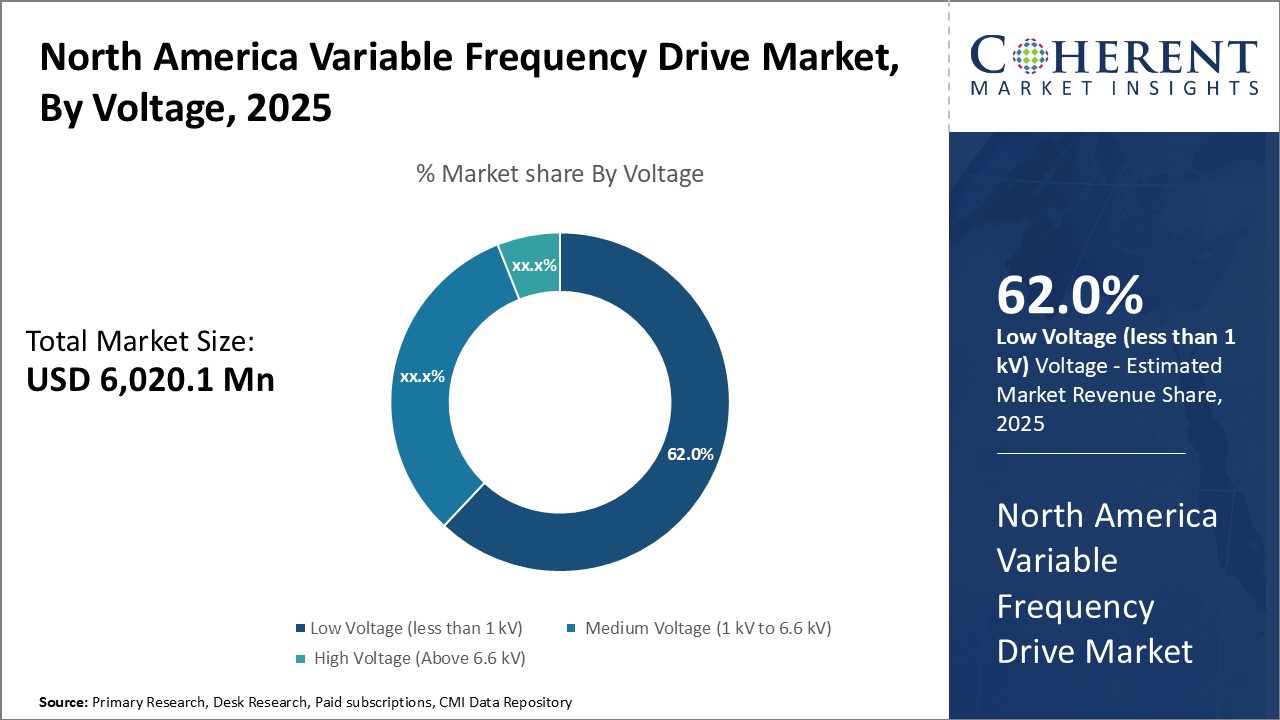
  • North America Variable Frequency Drive Market to Soar on Energy Efficiency

    Variable frequency drives (VFDs) are electronic devices used to control the speed and torque of electric motors by varying input frequency and voltage. Predominantly adopted across manufacturing, oil & gas, HVAC, water treatment, and mining industries, VFDs deliver precise motor control, reduce energy consumption, and improve process efficiency. By adjusting motor speed to actual load requirements, VFDs minimize mechanical stress on equipment, lower maintenance costs, and extend the operational lifespan of machinery.

    The increasing focus on decarbonization and stringent energy-efficiency regulations in North America have driven investments in automation solutions, where VFDs play a pivotal role in reducing carbon footprint and operational expenditures. Moreover, Industry 4.0 integration and the rising adoption of smart factories have elevated demand for intelligent drives with predictive maintenance and IoT-enabled analytics.

    North America Variable Frequency Drive Market

    https://www.coherentmarketinsights.com/market-insight/north-america-variable-frequency-drive-market-4713

    Get More Insights On North America Variable Frequency Drive Market

    https://www.zupyak.com/p/4577852/t/north-america-variable-frequency-drive-market-trends-by-energy-efficiency-regulations

    #NorthAmericaVariableFrequencyDriveMarket,#NorthAmericaVariableFrequencyDriveMarketsize,#NorthAmericaVariableFrequencyDriveMarketshare,#NorthAmericaVariableFrequencyDriveMarketApplication,#NorthAmericaVariableFrequencyDriveMarkettrends


    North America Variable Frequency Drive Market to Soar on Energy Efficiency Variable frequency drives (VFDs) are electronic devices used to control the speed and torque of electric motors by varying input frequency and voltage. Predominantly adopted across manufacturing, oil & gas, HVAC, water treatment, and mining industries, VFDs deliver precise motor control, reduce energy consumption, and improve process efficiency. By adjusting motor speed to actual load requirements, VFDs minimize mechanical stress on equipment, lower maintenance costs, and extend the operational lifespan of machinery. The increasing focus on decarbonization and stringent energy-efficiency regulations in North America have driven investments in automation solutions, where VFDs play a pivotal role in reducing carbon footprint and operational expenditures. Moreover, Industry 4.0 integration and the rising adoption of smart factories have elevated demand for intelligent drives with predictive maintenance and IoT-enabled analytics. North America Variable Frequency Drive Market https://www.coherentmarketinsights.com/market-insight/north-america-variable-frequency-drive-market-4713 Get More Insights On North America Variable Frequency Drive Market https://www.zupyak.com/p/4577852/t/north-america-variable-frequency-drive-market-trends-by-energy-efficiency-regulations #NorthAmericaVariableFrequencyDriveMarket,#NorthAmericaVariableFrequencyDriveMarketsize,#NorthAmericaVariableFrequencyDriveMarketshare,#NorthAmericaVariableFrequencyDriveMarketApplication,#NorthAmericaVariableFrequencyDriveMarkettrends
    WWW.COHERENTMARKETINSIGHTS.COM
    North America Variable Frequency Drive Market Forecast, 2032
    North America Variable Frequency Drive Market size is growing with CAGR of 4.6% and it crosses US$ 8253.1 Mn 2032 from US$ 6020.1 Mn in 2025
    0 Commenti 0 condivisioni 2K Views 0 Anteprima

  • The global green ammonia market is projected to reach US$ 8.42 Billion by 2035 from US$ 1.92 Billion in 2025. The market is expected to register a CAGR of 67.3% during 2025–2035. This growth is primarily attributed to the increasing global focus on sustainable energy solutions, carbon-neutral fuels, and decarbonization of industries.

    https://wemarketresearch.com/reports/green-ammonia-market/1359
    The global green ammonia market is projected to reach US$ 8.42 Billion by 2035 from US$ 1.92 Billion in 2025. The market is expected to register a CAGR of 67.3% during 2025–2035. This growth is primarily attributed to the increasing global focus on sustainable energy solutions, carbon-neutral fuels, and decarbonization of industries. https://wemarketresearch.com/reports/green-ammonia-market/1359
    WEMARKETRESEARCH.COM
    Green Ammonia Market Share, Size & Forecast Analysis 2035
    The green ammonia market will grow from USD 1.92 Bn in 2025 to USD 8.42 Bn by 2035, at a 67.3% CAGR, driven by demand for carbon-neutral energy solutions.
    0 Commenti 0 condivisioni 940 Views 0 Anteprima


  • Hydrogen Combustion Engines: The Road to a Cleaner, Greener Future


    A hydrogen combustion engine is an innovative technology that uses hydrogen gas as a fuel source to generate power through a combustion process, similar to traditional internal combustion engines (ICEs) that run on gasoline or diesel. While hydrogen combustion engines are not as commonly discussed as hydrogen fuel cells or electric engines, they represent a promising step toward decarbonizing the transportation sector. This engine type offers a potential solution for reducing carbon emissions while utilizing hydrogen as an alternative to fossil fuels.


    What is a Hydrogen Combustion Engine?

    A hydrogen combustion engine operates by burning hydrogen gas in an engine’s combustion chamber. Like conventional gasoline or diesel engines, it relies on the process of igniting a fuel-air mixture to produce power. In this case, instead of gasoline or diesel, hydrogen (H₂) is the primary fuel. When hydrogen is combusted in the presence of oxygen, it reacts to produce heat, which drives the pistons in an engine, generating mechanical power.

    Get More Insights On Hydrogen Combustion Engine
    https://www.writerscafe.org/ojaswini/blogs/Exploring-Hydrogen-Combustion-Engines%3A-A-New-Era-for-Clean-Transportation/248070/


    #HydrogenCombustion, #HydrogenEngine, #CleanEnergy, #Decarbonization, #ZeroEmissions,
    #HydrogenPower
    Hydrogen Combustion Engines: The Road to a Cleaner, Greener Future A hydrogen combustion engine is an innovative technology that uses hydrogen gas as a fuel source to generate power through a combustion process, similar to traditional internal combustion engines (ICEs) that run on gasoline or diesel. While hydrogen combustion engines are not as commonly discussed as hydrogen fuel cells or electric engines, they represent a promising step toward decarbonizing the transportation sector. This engine type offers a potential solution for reducing carbon emissions while utilizing hydrogen as an alternative to fossil fuels. What is a Hydrogen Combustion Engine? A hydrogen combustion engine operates by burning hydrogen gas in an engine’s combustion chamber. Like conventional gasoline or diesel engines, it relies on the process of igniting a fuel-air mixture to produce power. In this case, instead of gasoline or diesel, hydrogen (H₂) is the primary fuel. When hydrogen is combusted in the presence of oxygen, it reacts to produce heat, which drives the pistons in an engine, generating mechanical power. Get More Insights On Hydrogen Combustion Engine https://www.writerscafe.org/ojaswini/blogs/Exploring-Hydrogen-Combustion-Engines%3A-A-New-Era-for-Clean-Transportation/248070/ #HydrogenCombustion, #HydrogenEngine, #CleanEnergy, #Decarbonization, #ZeroEmissions, #HydrogenPower
    WWW.WRITERSCAFE.ORG
    Exploring Hydrogen Combustion Engines: A New Era for Clean Transportation
    A hydrogen combustion engine is an innovative technology that uses hydrogen gas as a fuel source to generate power through a combustion process, similar to traditional internal combustion engines (ICEs) that run on gasoline or diesel. While hydrogen combustion engines are not as commonly discussed as hydrogen fuel cells or electric engines, they represent a promising step toward decarbonizing the transportation sector. This engine type offers a potential solution for reducing carbon emissions while utilizing hydrogen as an alternative to fossil fuels. What is a Hydrogen Combustion Engine? A hydrogen combustion engine operates by burning hydrogen gas in an engine’s combustion chamber. Like conventional gasoline or diesel engines, it relies on the process of igniting a fuel-air mixture to produce power. In this case, instead of gasoline or diesel, hydrogen (H₂) is the primary fuel. When hydrogen is combusted in the presence of oxygen, it reacts to produce heat, which drives the pistons in an engine, generating mechanical power. The main difference between hydrogen combustion and traditional combustion is the emissions produced. Instead of carbon dioxide (CO₂), the byproduct of hydrogen combustion engine is primarily water vapor (H₂O) and trace amounts of nitrogen oxides (NOx), which are still pollutants but significantly less harmful than the CO₂ emissions from conventional engines. Hydrogen combustion engines represent a promising alternative to traditional internal combustion engines, offering the potential for zero carbon emissions and compatibility with existing infrastructure. However, challenges such as NOx emissions, fuel efficiency, and hydrogen storage need to be addressed before they can become a mainstream solution. The development of hydrogen combustion engines, alongside hydrogen fuel cells and battery electric vehicles, offers a multifaceted approach to achieving a sustainable, low-emissions transportation system. As the hydrogen economy matures, hydrogen combustion engines may play a critical role in decarbonizing various industries, particularly those that rely on heavy-duty applications. Get this Report in Japanese Language 水素燃焼エンジン Get this Reports in Korean Language수소 연소 엔진About Author: Priya Pandey is a dynamic and passionate editor with over three years of expertise in content editing and proofreading. Holding a bachelor's degree in biotechnology, Priya has a knack for making the content engaging. Her diverse portfolio includes editing documents across different industries, including food and beverages, information and technology, healthcare, chemical and materials, etc. Priya's meticulous attention to detail and commitment to excellence make her an invaluable asset in the world of content creation and refinement. (LinkedIn- https://www.linkedin.com/in/priya-pandey-8417a8173/)
    0 Commenti 0 condivisioni 6K Views 0 Anteprima
Sponsorizzato

Trade with the best

aking Exness the first name that comes to mind when people think about brokers or trading. We’re putting our traders first, not only with trading conditions, but also with the overall...

Sponsorizzato
Bundas24 https://www.netchain24.com