
 About
About
Role of Caregivers in Tube Feeding at Home Support
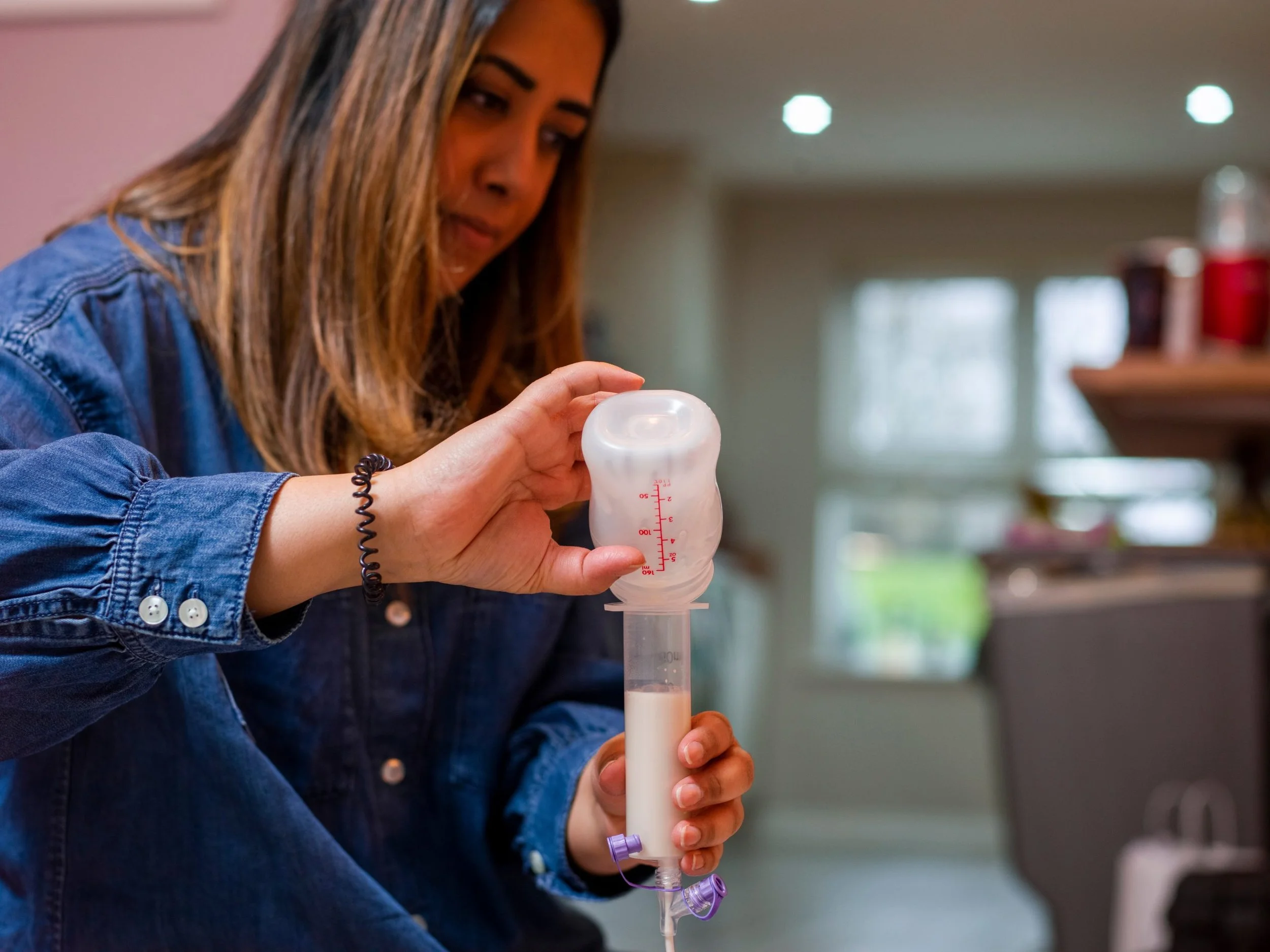
Providing nutritional support through a feeding tube requires patience, attention, and proper knowledge, especially when care takes place outside a medical facility. Families receiving Tube feeding at home in Dubai often depend on trained caregivers to ensure daily feeding routines are completed safely and comfortably. A Doctor at Home can also provide professional guidance by monitoring patient needs, reviewing complications, and supporting caregivers with medical recommendations. Caregivers play a vital role in maintaining hygiene, observing health changes, and creating a supportive environment that helps patients manage tube feeding successfully while improving their overall quality of life.
Understanding the Importance of Caregivers in Tube Feeding Support:
Caregivers are an essential part of home-based tube feeding because they provide continuous assistance with daily activities that patients may not be able to complete independently. Their responsibilities go beyond delivering nutrition; they also help maintain patient comfort, prevent complications, and communicate important health changes to healthcare professionals. A caregiver’s careful observation can help identify early signs of problems and ensure timely intervention. The role of caregivers commonly includes:
- Preparing and administering feeds according to healthcare instructions
- Maintaining cleanliness of feeding equipment and tube areas
- Monitoring patient comfort and nutritional tolerance
- Recording feeding schedules and health observations
- Providing emotional encouragement and reassurance
Preparing and Managing Daily Tube Feeding Routines:
A consistent feeding routine is important for patients who rely on tube feeding for their nutritional needs. Caregivers must understand the prescribed feeding schedule, correct formula preparation, and safe handling procedures. Following instructions carefully helps reduce the risk of feeding-related complications and supports better patient outcomes. Before each feeding session, caregivers should ensure that all supplies are ready, equipment is clean, and the patient is positioned correctly. They should also monitor the patient during feeding to identify signs of discomfort, intolerance, or unexpected reactions. Proper organization allows tube feeding to become a manageable part of daily life.
Maintaining Hygiene and Preventing Infections:
One of the most important responsibilities of caregivers is maintaining hygiene throughout the tube feeding process. Poor hygiene practices can increase the risk of infections around the tube site or contamination of feeding equipment. Caregivers should follow recommended cleaning procedures and maintain a safe environment for the patient. Key hygiene practices include:
- Washing hands before touching the feeding tube or supplies
- Cleaning the tube insertion area as instructed by healthcare professionals
- Keeping feeding containers and equipment properly sanitized
- Checking for redness, swelling, or unusual discharge
- Replacing supplies according to recommended schedules
Consistent hygiene routines protect patients from avoidable complications and support safer long-term tube feeding management.
Monitoring Patient Health and Recognizing Changes:
Caregivers act as the daily connection between patients and healthcare providers. Because they spend significant time with the patient, they are often the first to notice changes in physical condition, mood, or feeding tolerance. Regular monitoring allows potential concerns to be addressed before they become serious. Caregivers should pay attention to:
- Changes in appetite, energy levels, or overall comfort
- Signs of dehydration or unusual weakness
- Digestive issues such as vomiting, constipation, or diarrhea
- Tube site irritation or leakage
- Changes in breathing or signs of possible aspiration
Keeping detailed records of symptoms and feeding patterns can help healthcare providers understand the patient’s condition and make appropriate adjustments to care plans.
Supporting Patient Comfort and Emotional Wellbeing:
Tube feeding can be a major adjustment for patients and their families. In addition to managing physical care needs, caregivers provide emotional support that helps patients feel secure and valued. Some individuals may experience frustration, anxiety, or reduced independence because of their feeding requirements. A compassionate caregiver can help improve confidence by encouraging participation in daily activities whenever possible. Emotional support may include:
- Listening to patient concerns and preferences
- Maintaining a positive and respectful environment
- Encouraging communication with healthcare professionals
- Helping patients maintain social connections
- Supporting independence within safe limits
A caring approach can make the tube feeding experience more comfortable and improve the patient’s overall wellbeing.
Assisting With Medical Communication and Care Coordination:
Effective communication between caregivers, patients, and healthcare teams is essential for successful tube feeding management. Caregivers often provide valuable information about daily changes that may not be visible during occasional medical visits. They should communicate concerns clearly and follow professional instructions regarding feeding methods, medications, and tube care. When medical support is required, caregivers help organize appointments, share health records, and ensure that recommendations are followed correctly. This coordination creates a more effective care system and helps patients receive appropriate support at the right time.
Challenges Faced by Tube Feeding Caregivers:
Although caregiving can be rewarding, managing tube feeding at home may also involve physical and emotional challenges. Caregivers may need time to learn new skills and adjust to ongoing responsibilities. Understanding these challenges helps families prepare better and seek additional support when needed. Common caregiver challenges include:
- Learning proper tube feeding techniques
- Managing unexpected feeding complications
- Balancing caregiving duties with personal responsibilities
- Handling emotional stress related to patient health
- Understanding changing medical requirements
Training, professional guidance, and support from healthcare teams can help caregivers feel more confident in their responsibilities.
The Value of Professional Guidance in Home Tube Feeding:
While caregivers provide daily assistance, professional healthcare support remains an important part of safe tube feeding management. Healthcare providers can evaluate patient progress, provide updated instructions, and address concerns that require medical expertise. Caregivers should maintain regular communication with healthcare professionals to ensure that feeding practices continue to meet the patient’s changing needs. Professional support helps reduce risks, improves care quality, and provides families with confidence when managing complex nutritional requirements at home.
Tips for Caregivers to Improve Tube Feeding Support:
Caregivers can enhance the quality of care by developing organized routines and continuing to improve their knowledge. Small improvements in daily practices can make tube feeding safer and more comfortable for patients. Helpful approaches include:
- Creating a written feeding schedule
- Learning emergency steps for common tube feeding problems
- Keeping feeding supplies organized and accessible
- Tracking patient responses after feeding sessions
- Asking healthcare professionals questions when uncertain
- Taking breaks and seeking support when caregiving becomes overwhelming
A structured approach helps caregivers provide consistent care while maintaining their own ability to support the patient effectively.
Final Thoughts
Caregivers play a central role in making tube feeding at home safe, effective, and comfortable for patients who require ongoing nutritional support. Their responsibilities include managing feeding routines, maintaining hygiene, monitoring health changes, and providing emotional encouragement. With proper training, professional guidance, and a compassionate approach, caregivers can help patients experience better comfort and improved quality of life. A strong support system ensures that home tube feeding remains a practical and positive healthcare solution.

 English
 Arabic
 French
 Spanish
 Portuguese
 Deutsch
 Turkish
 Dutch
Dutch
 Russian
 Romaian
 Portuguese (Brazil)
 Greek
Greek