
 About
About
How Q-Switched Laser Removes Tattoo Ink from Skin
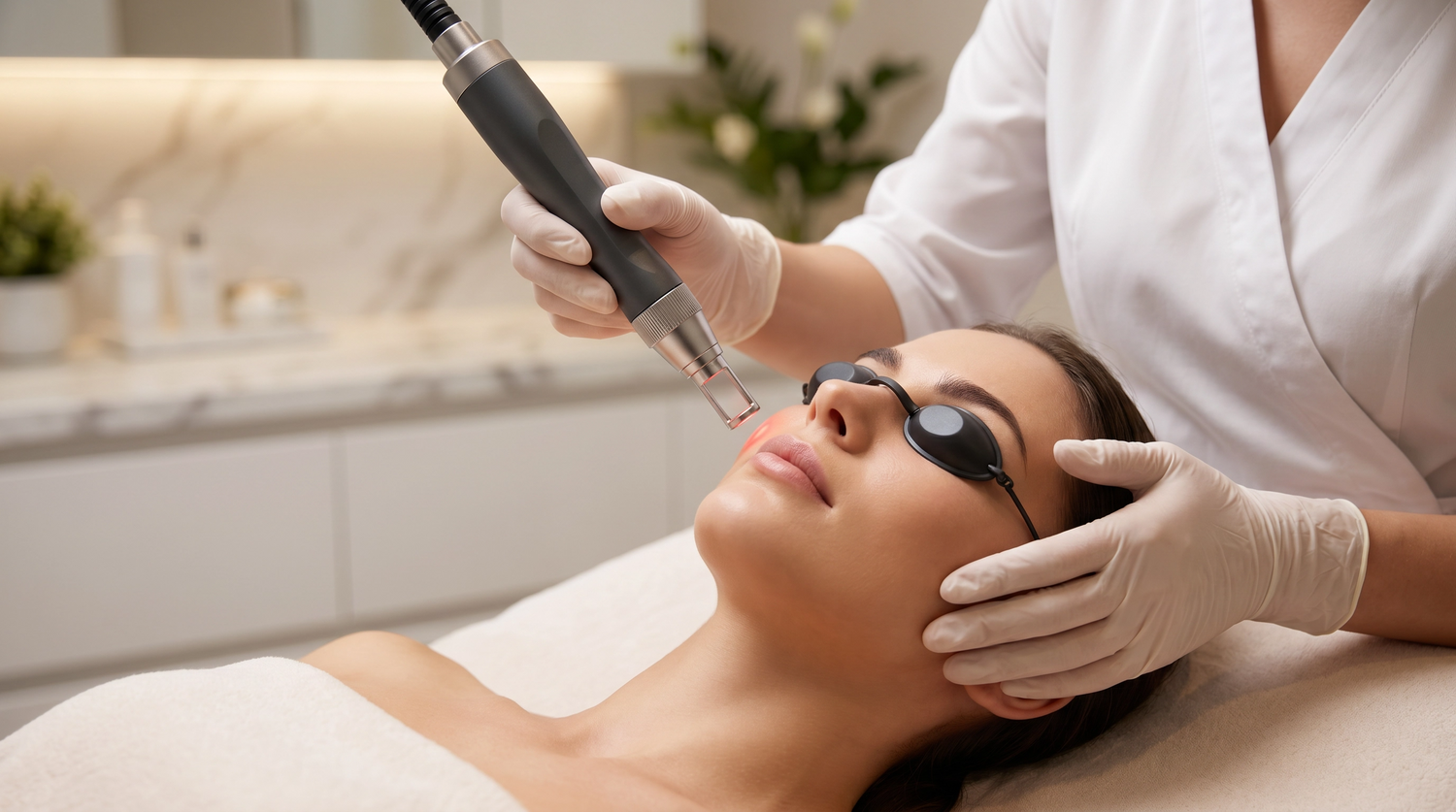
Tattoos are a popular form of self-expression, but personal preferences and lifestyle changes can lead some people to seek tattoo removal. Among the most trusted methods available today is Q-switched Laser Treatment Riyadh, a technology designed to target tattoo pigments without significantly damaging the surrounding skin. By using high-intensity laser pulses, this treatment gradually fades tattoo ink over multiple sessions, offering a non-invasive solution for individuals who wish to reduce or remove unwanted tattoos.
What Is Q-Switched Laser Technology?:
Q-switched laser technology is an advanced laser system that delivers extremely short, high-energy pulses of light. These pulses are powerful enough to target pigment particles while minimizing heat transfer to nearby tissues. Unlike continuous laser systems, Q-switched lasers focus their energy on breaking pigment into microscopic fragments rather than burning the skin. This precision makes them one of the most effective technologies for tattoo removal and pigment-related skin treatments.
How Tattoo Ink Stays in the Skin:
Tattoo ink is placed beneath the outer layer of the skin into the dermis, where it remains relatively stable over time. Although the immune system recognizes the ink as a foreign substance, the pigment particles are generally too large for immune cells to remove naturally. This is why tattoos remain visible for years or even decades. Key facts about tattoo ink include:
- Ink is deposited into the dermis rather than the epidermis.
- Different colors contain different pigment compounds.
- Larger ink particles resist natural removal.
- Professional tattoos usually contain denser pigment than amateur tattoos.
- Tattoo depth influences the removal process.
How Q-Switched Laser Removes Tattoo Ink:
The Q-switched laser emits concentrated bursts of energy that are absorbed by tattoo pigments. Once the pigment absorbs the laser energy, it shatters into much smaller particles. These tiny fragments are then gradually cleared away by the body's lymphatic and immune systems over several weeks. Patients considering Q-switched Laser Treatment Riyadh often appreciate this targeted approach because it focuses on the ink while preserving most of the surrounding healthy skin.
Why Multiple Sessions Are Necessary:
Tattoo removal is a gradual process because only a portion of the ink can be fragmented during each treatment session. The body also requires time to eliminate the broken-down pigment before additional treatment is performed. Several factors influence the total number of sessions required:
- Tattoo size and location.
- Ink color and pigment composition.
- Age of the tattoo.
- Depth of ink placement.
- Individual immune response.
- Professional versus amateur tattoo application.
Because every tattoo is unique, treatment plans are customized for each individual.
Which Tattoo Colors Respond Best?:
Different tattoo colors absorb laser wavelengths differently, affecting how easily they can be removed. Dark pigments typically respond more quickly because they absorb laser energy more efficiently. Color response generally includes:
- Black ink responds the fastest.
- Dark blue and dark green often show good improvement.
- Red pigments usually respond well with specific laser wavelengths.
- Yellow and white inks are among the most difficult to remove.
- Bright pastel colors may require additional treatments.
Advancements in laser technology continue to improve outcomes for a wider range of ink colors.
What Happens During the Procedure?:
Before treatment begins, the skin is cleaned and protective eyewear is provided. The practitioner then applies the Q-switched laser to the tattoo, delivering rapid pulses across the pigmented area. Many patients describe the sensation as similar to the snap of a rubber band against the skin. Depending on the tattoo's size, treatment sessions generally last between a few minutes and about half an hour. Cooling techniques may also be used to improve comfort during the procedure.
Benefits of Q-Switched Laser Tattoo Removal:
Q-switched laser technology offers numerous advantages compared to older tattoo removal methods. Some of its key benefits include:
- Non-invasive treatment without surgical excision.
- Precise targeting of tattoo pigment.
- Reduced risk of significant scarring.
- Suitable for many tattoo sizes and colors.
- Minimal downtime after each session.
- Gradual and natural fading of unwanted tattoos.
These advantages have made Q-switched lasers the preferred choice for tattoo removal worldwide.
Possible Side Effects and Recovery:
Like most cosmetic procedures, Q-switched laser treatment may produce temporary side effects. Fortunately, these reactions are usually mild and resolve with proper aftercare. Common side effects include:
- Mild redness around the treated area.
- Temporary swelling.
- Light blistering in some cases.
- Minor crusting during healing.
- Temporary skin sensitivity.
- Changes in pigmentation that usually improve over time.
Following professional aftercare instructions helps support smooth recovery.
Aftercare Tips for Better Healing:
Proper aftercare is essential for minimizing complications and promoting effective tattoo fading between sessions. Patients are commonly advised to:
- Keep the treated area clean and dry.
- Avoid scratching or picking at healing skin.
- Apply recommended healing ointments if instructed.
- Protect the area from direct sunlight.
- Wear broad-spectrum sunscreen after healing.
- Avoid swimming or soaking the treated area until fully recovered.
Consistent aftercare supports healthy skin and optimal treatment outcomes.
Factors That Influence Treatment Success:
Although Q-switched lasers are highly effective, several factors determine how successfully a tattoo responds to treatment. Understanding these variables helps patients maintain realistic expectations. Important factors include:
- Skin tone and sensitivity.
- Ink density and quality.
- Tattoo age.
- Overall immune system function.
- Compliance with aftercare instructions.
- Time between treatment sessions.
A personalized treatment plan helps maximize results while minimizing unwanted side effects.
Final Thoughts
Q-switched laser technology has transformed tattoo removal by offering a safe, targeted, and effective way to gradually eliminate unwanted ink. Instead of damaging large areas of skin, it breaks tattoo pigments into tiny particles that the body naturally clears over time. Individuals considering Q-switched Laser Treatment Riyadh should understand that successful tattoo removal requires patience, multiple sessions, and proper aftercare. With realistic expectations and professional guidance, Q-switched laser treatment can significantly fade or remove tattoos while preserving the health and appearance of the surrounding skin.

 English
 Arabic
 French
 Spanish
 Portuguese
 Deutsch
 Dutch
Dutch
 Italiano
 Russian
 Romaian
 Portuguese (Brazil)
 Greek
Greek