


 About
About
Chemical Peels for Melasma Management
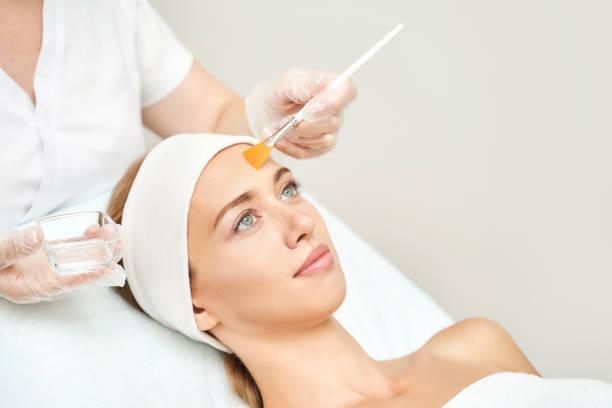
Melasma is a common skin condition that causes dark, discolored patches to develop on the skin, most often on the face. These patches typically appear on the cheeks, forehead, nose, and upper lip, creating an uneven complexion that can be difficult to manage with skincare products alone. Although melasma is not harmful, it can affect an individual's confidence and overall satisfaction with their appearance. Fortunately, various professional treatments are available to help improve the appearance of melasma and support a more even skin tone.
Among the most effective skin rejuvenation treatments, chemical peel have become a popular option for individuals seeking to manage melasma and improve overall skin clarity. By encouraging controlled exfoliation and promoting skin cell turnover, chemical peels can help reduce the appearance of pigmentation while supporting healthier, brighter-looking skin.
Understanding Melasma
Melasma is a pigmentation disorder that results from the overproduction of melanin, the pigment responsible for skin color.
What Causes Melasma?
Several factors can contribute to the development of melasma, including:
- Sun exposure
- Hormonal fluctuations
- Pregnancy
- Genetic predisposition
- Certain medications
- Heat exposure
These triggers can stimulate melanin production, leading to the appearance of dark patches on the skin.
Common Characteristics of Melasma
Melasma often appears as:
- Brown or gray-brown patches
- Symmetrical discoloration
- Areas of uneven pigmentation
- Persistent facial darkening
The condition is often chronic and may require ongoing management.
What Are Chemical Peels?
Chemical peels are skin-resurfacing treatments designed to remove damaged skin layers and encourage healthy skin renewal.
How Chemical Peels Work
A specially formulated chemical solution is applied to the skin to exfoliate the outer layers. As the treated skin sheds, newer and healthier skin cells emerge, helping improve skin tone and texture.
Types of Chemical Peels
Chemical peels are generally classified into:
- Superficial peels
- Medium-depth peels
- Deep peels
The type of peel selected depends on the severity of pigmentation and individual skin characteristics.
How Chemical Peels Help Manage Melasma
Chemical peels can be a valuable part of a comprehensive melasma management plan.
Removes Pigmented Skin Cells
The exfoliation process helps remove skin cells containing excess pigment, contributing to a more even complexion.
Encourages Skin Cell Turnover
Faster cell renewal allows newer skin cells to replace older pigmented cells more efficiently.
Supports Brighter Skin
As damaged skin is removed, the complexion often appears fresher and more radiant.
For individuals seeking professional pigmentation treatments, Chemical Peels in Riyadh are frequently recommended as part of a customized approach to managing melasma and enhancing overall skin appearance.
Benefits of Chemical Peels for Melasma
Chemical peels offer several advantages for individuals dealing with pigmentation concerns.
Improves Skin Tone
The treatment helps create a more balanced and uniform complexion.
Reduces Visible Discoloration
Regular skin renewal can gradually improve the appearance of dark patches.
Enhances Skin Texture
In addition to addressing pigmentation, chemical peels can smooth rough skin and improve overall texture.
Promotes Skin Rejuvenation
The treatment encourages healthy skin regeneration and supports long-term skin quality.
Types of Chemical Peels Commonly Used for Melasma
Different peel formulations may be selected based on the individual's skin condition and treatment goals.
Superficial Peels
These peels gently exfoliate the outermost skin layer and are commonly used for mild pigmentation concerns.
Benefits of Superficial Peels
They may help:
- Brighten the complexion
- Improve mild discoloration
- Refresh skin appearance
Medium-Depth Peels
Medium peels penetrate deeper into the skin and may be considered for more noticeable pigmentation concerns.
Potential Improvements
These peels can help:
- Improve uneven skin tone
- Reduce stubborn pigmentation
- Enhance overall skin quality
What to Expect During Treatment
Understanding the treatment process can help individuals feel more prepared.
Initial Consultation
A skincare professional evaluates:
- Skin type
- Pigmentation severity
- Medical history
- Treatment goals
This assessment helps determine the most suitable peel type.
Peel Application
The chemical solution is applied carefully to the treatment area.
Temporary Sensations
During treatment, individuals may experience:
- Mild tingling
- Slight warmth
- Temporary tightness
These sensations are generally expected and short-lived.
Recovery and Healing
The skin undergoes a natural healing process following treatment.
Mild Redness
Temporary redness may occur as the skin begins to renew itself.
Peeling and Flaking
Old skin cells shed, making way for healthier skin underneath.
Gradual Results
Improvements in pigmentation often develop gradually as the skin completes its renewal cycle.
Importance of Sun Protection
Sun exposure is one of the most significant triggers for melasma.
Protecting Treatment Results
Daily sun protection helps maintain improvements and reduce the risk of pigmentation recurrence.
Supporting Long-Term Management
Consistent sun protection is often considered a key component of any melasma treatment plan.
Maintaining Results After Treatment
Proper skincare habits can help prolong treatment benefits.
Follow a Consistent Skincare Routine
Using appropriate skincare products can support healthy skin renewal.
Avoid Excessive Sun Exposure
Limiting UV exposure helps reduce future pigmentation concerns.
Attend Follow-Up Appointments
Professional monitoring can help ensure ongoing progress and treatment success.
Practice Gentle Skin Care
Avoiding harsh products can help maintain skin health and minimize irritation.
For individuals looking to improve pigmentation concerns and achieve a more even complexion, Chemical Peels in Riyadh continue to be a trusted option for supporting melasma management and long-term skin rejuvenation.
Who May Benefit From Chemical Peels for Melasma?
Chemical peels may be suitable for individuals who experience:
- Facial pigmentation
- Uneven skin tone
- Melasma-related discoloration
- Dull complexion
- Mild texture irregularities
A professional consultation can help determine whether chemical peels are an appropriate treatment option.
Conclusion
Chemical peels can play an important role in managing melasma by promoting skin renewal, reducing the appearance of pigmentation, and improving overall skin tone. Through controlled exfoliation and healthy skin regeneration, they help reveal brighter, smoother, and more even-looking skin. While melasma often requires ongoing care and maintenance, chemical peels can be a valuable component of a personalized treatment plan. With professional guidance, proper aftercare, and consistent sun protection, individuals can achieve noticeable improvements in skin clarity and complexion quality.
Book Your Appointment Today
If you are looking for an effective solution to manage melasma and improve your skin tone, schedule a consultation with Royal Clinic Saudia. Their experienced team can assess your skin concerns and recommend a customized treatment plan designed to help you achieve healthier, more radiant skin.
FAQs:
Can chemical peels help reduce melasma?
Chemical peels can help improve the appearance of melasma by exfoliating pigmented skin cells and promoting healthy skin renewal.
How do chemical peels work for pigmentation concerns?
They remove damaged outer skin layers and encourage the growth of newer skin cells, helping create a more even complexion.
Is sun protection important after a chemical peel for melasma?
Yes, protecting the skin from UV exposure is essential for maintaining results and reducing the risk of pigmentation returning.
Can chemical peels improve overall skin texture as well as melasma?
Yes, chemical peels not only address pigmentation concerns but can also improve skin texture, smoothness, and overall skin appearance.

 English
 Arabic
 French
 Spanish
 Portuguese
 Deutsch
 Dutch
Dutch
 Italiano
 Russian
 Romaian
 Portuguese (Brazil)
 Greek
Greek