
 About
About
Non-Surgical Hair Loss Treatment Methods Explained
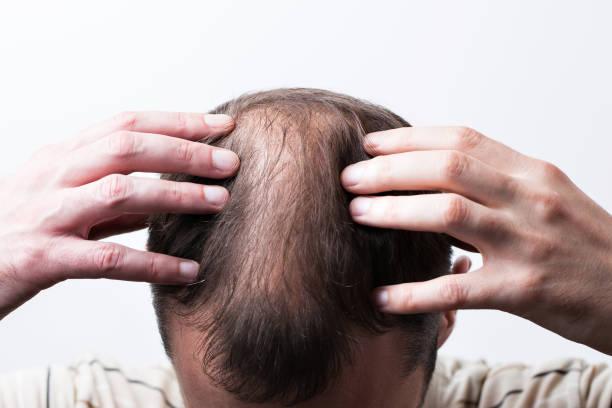
Hair loss is a common concern that affects both men and women, often impacting confidence and overall appearance. Fortunately, not every case of hair thinning requires surgery. Modern Hair Loss Treatment solutions include a variety of non-surgical methods designed to support hair growth, strengthen existing follicles, and slow the progression of hair loss. These treatments offer individuals the opportunity to address hair concerns with minimal downtime while maintaining a natural appearance.
Many people choose Hair Loss Treatment options that do not involve surgical procedures because they are less invasive and can often be integrated into daily life more easily. Non-surgical approaches are particularly beneficial for individuals experiencing early-stage hair loss or those looking to enhance the health and density of their existing hair. Understanding these treatment methods can help patients make informed decisions about their hair restoration journey.
Understanding Non-Surgical Hair Loss Treatments
Non-surgical treatments focus on improving scalp health, stimulating hair follicles, and encouraging natural hair growth without the need for surgical intervention.
Who Can Benefit from Non-Surgical Treatments?
These methods may be suitable for:
- Individuals with mild to moderate hair thinning
- Men and women experiencing early hair loss
- Patients looking to improve hair density
- Those not ready for hair transplantation
- Individuals seeking preventative hair care solutions
Why Non-Surgical Treatments Are Popular
Several factors contribute to the popularity of non-surgical hair restoration options.
Benefits include:
- Minimally invasive procedures
- Little to no downtime
- Natural-looking results
- Gradual hair improvement
- Customized treatment plans
Topical Hair Growth Solutions
Topical treatments are among the most commonly used approaches for managing hair loss.
How Topical Treatments Work
These solutions are applied directly to the scalp and are designed to stimulate hair follicles while supporting healthier hair growth cycles.
Potential Benefits
- Supports hair follicle activity
- Encourages thicker-looking hair
- Helps maintain existing hair
- Easy to incorporate into daily routines
Consistency is often important for achieving and maintaining desired results.
Oral Medications for Hair Loss
Certain oral medications may be recommended to address factors contributing to hair thinning.
How Oral Treatments Help
These medications may work by influencing hormonal activity or supporting the natural hair growth process.
Advantages of Oral Therapies
- Convenient administration
- Long-term hair maintenance
- Suitable for specific types of hair loss
- Can complement other treatments
Professional guidance is essential when considering medication-based therapies.
Platelet-Rich Plasma (PRP) Therapy
PRP therapy has become one of the most sought-after non-surgical hair restoration methods.
What Is PRP Therapy?
PRP therapy uses concentrated growth factors derived from the patient's own blood. These growth factors are injected into targeted areas of the scalp to support follicle function.
Benefits of PRP Therapy
- Uses the body's natural resources
- Supports healthier hair follicles
- May improve hair thickness
- Minimal recovery time
- Suitable for many hair loss patients
Many individuals choose PRP as part of a comprehensive Hair Loss Treatment plan.
Exosome Hair Therapy
Exosome therapy is an advanced regenerative treatment gaining attention in the field of hair restoration.
How Exosome Therapy Works
Exosomes contain biological signals that may support tissue repair and cellular communication. When applied to the scalp, they may help create an environment that encourages hair growth.
Benefits of Exosome Therapy
- Supports scalp rejuvenation
- Encourages follicle activity
- Non-surgical procedure
- Minimal discomfort
- Can complement other treatments
This innovative therapy continues to gain popularity among individuals seeking advanced hair restoration solutions.
Low-Level Laser Therapy (LLLT)
Laser-based treatments offer another non-invasive option for managing hair loss.
What Is Low-Level Laser Therapy?
LLLT uses specialized light energy to stimulate hair follicles and improve scalp circulation.
Potential Advantages
- Completely non-invasive
- Comfortable treatment experience
- Supports hair growth cycles
- May improve hair density
- Suitable for ongoing maintenance
Laser therapy is often combined with other non-surgical methods for enhanced results.
Scalp Microneedling
Microneedling is a technique that involves creating tiny microchannels in the scalp.
How Microneedling Supports Hair Growth
The controlled micro-injuries created during treatment may stimulate natural healing responses and improve the absorption of topical products.
Benefits of Microneedling
- Promotes scalp renewal
- Enhances product penetration
- Supports follicle stimulation
- Minimal downtime
- Can be combined with PRP therapy
Many specialists incorporate microneedling into comprehensive hair restoration programs.
Lifestyle and Nutritional Support
Professional treatments often work best when paired with healthy lifestyle habits.
Nutrition and Hair Health
Hair follicles require essential nutrients to function effectively.
Important nutrients include:
- Protein
- Iron
- Zinc
- Vitamin D
- Biotin
- Omega-3 fatty acids
A balanced diet can support stronger and healthier hair growth.
Stress Management
Stress can contribute to excessive hair shedding and disrupt natural growth cycles.
Helpful stress-reduction practices include:
- Regular exercise
- Meditation
- Adequate sleep
- Relaxation techniques
- Healthy daily routines
Maintaining overall wellness can positively impact hair health.
Choosing the Right Non-Surgical Treatment
Selecting the most suitable treatment depends on individual circumstances.
Factors to Consider
- Cause of hair loss
- Severity of thinning
- Age and overall health
- Lifestyle preferences
- Desired treatment goals
A professional consultation can help determine the most effective strategy based on specific needs.
What Results Can You Expect?
Non-surgical hair restoration treatments typically produce gradual improvements over time.
Factors That Influence Results
- Consistency of treatment
- Underlying cause of hair loss
- Individual response to therapy
- Overall scalp health
- Lifestyle habits
Patience and commitment are important because hair growth naturally occurs in cycles.
Realistic Expectations
Treatment goals may include:
- Reduced hair shedding
- Improved hair thickness
- Better scalp health
- Enhanced hair density
- Stronger existing hair
Many individuals experience noticeable improvements when following a personalized treatment plan.
Conclusion
Non-surgical hair restoration methods provide effective solutions for individuals experiencing hair thinning or early-stage hair loss. From topical treatments and oral medications to PRP therapy, exosome treatments, laser therapy, and microneedling, there are numerous options available to support healthier hair growth. Modern Hair Loss Treatment approaches continue to evolve, offering patients safe and innovative ways to address hair concerns without surgery.
Book Your Consultation Today
If you are looking for advanced non-surgical solutions for hair loss, the specialists at Royal Clinic Saudia can help. Schedule a consultation today to receive a personalized evaluation and discover the most suitable treatment options for achieving healthier, fuller-looking hair.
FAQs:
Who is a good candidate for non-surgical hair loss treatments?
Individuals experiencing mild to moderate hair thinning or early-stage hair loss are often good candidates for non-surgical treatment options.
Can non-surgical treatments stop hair loss completely?
Results vary depending on the cause of hair loss, but many treatments can help slow progression and improve hair growth.
How long does it take to see results from non-surgical treatments?
Most patients begin noticing gradual improvements after several months of consistent treatment.
Can multiple non-surgical treatments be combined?
Yes, specialists often combine different therapies to create a personalized treatment plan and maximize potential results.

 Arabic
 French
 Spanish
 Portuguese
 Deutsch
 Turkish
 Dutch
Dutch
 Italiano
 Russian
 Romaian
 Portuguese (Brazil)
 Greek
Greek