
 Über
Über
When Should Cotton Seed Protection Be Applied for Best Results?
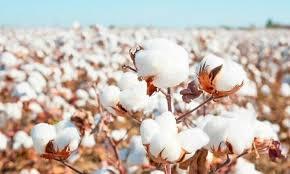
Cotton farming plays an important role in agriculture and supports millions of farmers around the world. Before cotton plants grow into healthy crops, they begin as seeds planted in the soil. These seeds are very sensitive during the early stages of growth. They face risks from pests, diseases, soil conditions, and weather changes. This is where cotton seed protection becomes very important.
Cotton seed protection refers to the methods used to protect cotton seeds from damage and help them grow into strong, healthy plants. These methods may include treatments applied to seeds before planting, careful soil preparation, and protective practices during early growth stages.
One of the most important questions farmers ask is when cotton seed protection should be applied for the best results. Timing plays a major role in ensuring seeds germinate properly, grow evenly, and produce high yields later in the season. Applying protection at the right stage can make a big difference in crop success.
In this article, we will explain the best time to apply cotton seed protection, why timing matters, and how farmers can use simple practices to improve crop performance and protect their investment.
Understanding Cotton Seed Protection and Its Importance in Farming
Before discussing timing, it is important to understand what cotton seed protection involves and why it is essential for successful farming.
What Is Cotton Seed Protection?
Cotton seed protection refers to all practices used to safeguard seeds from harmful conditions during germination and early growth.
Protection Against Pests and Diseases
Seeds are often exposed to insects, fungi, and soil-borne diseases that can damage or destroy them before they grow.
Improving Germination Rates
Protected seeds are more likely to sprout successfully and grow into healthy plants.
Strengthening Early Growth
Healthy seedlings are more resistant to environmental stress and grow more evenly.
Types of Cotton Seed Protection Methods
Different methods are used depending on farming conditions.
Seed Treatment
Chemical or biological coatings are applied to seeds before planting.
Soil Management
Proper soil preparation helps reduce harmful organisms.
Moisture Control
Maintaining correct soil moisture supports seed development.
Pest Control Practices
Farmers may use preventive methods to protect young plants.
Why Timing Matters in Seed Protection
Timing is one of the most important factors in agriculture.
Early Stage Sensitivity
Seeds are most vulnerable during planting and germination.
Preventing Early Damage
Protection must be in place before threats appear.
Supporting Strong Root Development
Early protection helps roots grow without stress.
Increasing Yield Potential
Healthy early growth leads to better harvest results later.
Common Risks to Cotton Seeds
Seeds face several risks that make protection necessary.
Soil-Borne Diseases
Fungal infections can damage seeds before they sprout.
Insect Attacks
Pests may feed on seeds or young seedlings.
Poor Soil Conditions
Hard or dry soil can prevent proper germination.
Weather Stress
Heavy rain or drought can affect seed development.
When Should Cotton Seed Protection Be Applied for Best Results?
The timing of cotton seed protection is critical for achieving strong plant growth and high yields. Applying protection too early or too late can reduce its effectiveness.
Before Planting: The Most Important Stage
The most effective time to apply cotton seed protection is before planting.
Seed Treatment Stage
This is when protection is applied directly to seeds before they are placed in the soil.
Preventive Protection
Treating seeds before planting helps protect them from early threats.
Improved Germination Success
Seeds begin growth with built-in protection against harmful organisms.
Uniform Crop Development
Protected seeds tend to grow more evenly across the field.
Reduced Early Losses
Many seed failures can be avoided with proper pre-planting treatment.
During Soil Preparation Stage
Soil preparation is another important time for protection.
Creating a Safe Environment
Preparing soil properly reduces harmful organisms that may affect seeds.
Improving Soil Structure
Well-prepared soil supports better seed growth.
Supporting Moisture Balance
Proper soil condition helps seeds absorb water effectively.
Enhancing Protection Effectiveness
Good soil conditions increase the success of seed treatments.
At the Time of Planting
Seed protection continues to be important during planting.
Proper Depth Placement
Seeds must be planted at the correct depth for best protection.
Even Distribution
Uniform spacing helps reduce competition among plants.
Avoiding Soil Stress
Careful planting reduces damage to treated seeds.
Immediate Contact with Soil Nutrients
Proper planting ensures seeds access nutrients quickly.
Early Germination Stage
The first days after planting are extremely important.
Critical Growth Period
Seeds begin to sprout and develop roots during this stage.
High Vulnerability
Seeds are still sensitive to pests and environmental changes.
Continuous Protection Effect
Seed treatments continue to protect during early growth.
Monitoring Soil Conditions
Farmers should check moisture and temperature regularly.
Early Seedling Stage
After germination, young plants still need protection.
Strengthening Root Systems
Healthy roots help plants absorb nutrients and water.
Preventing Disease Spread
Early protection reduces infection risks.
Supporting Leaf Development
Strong seedlings develop healthier leaves.
Ensuring Stable Growth
Protection helps plants grow consistently.
Seasonal Timing Considerations
The best time for cotton seed protection also depends on the season.
Warm Soil Conditions
Cotton seeds grow best in warm soil temperatures.
Proper Moisture Levels
Balanced moisture helps protection methods work effectively.
Avoiding Extreme Weather
Planting should avoid periods of heavy rain or cold conditions.
Regional Climate Differences
Different regions may require adjusted timing.
Pre-Season Planning
Good planning helps improve protection results.
Selecting Quality Seeds
Healthy seeds respond better to protection methods.
Preparing Equipment Early
Farmers should be ready before planting season begins.
Understanding Local Risks
Knowledge of local pests and diseases improves timing decisions.
Choosing the Right Treatment
Different conditions may require different protection methods.
Why Early Application Works Best
Applying cotton seed protection early provides several advantages.
Maximum Effectiveness
Seeds are fully protected from the start.
Reduced Crop Loss
Early protection prevents damage before it occurs.
Better Growth Outcomes
Plants develop stronger from the beginning.
Improved Harvest Potential
Healthy early growth leads to better yields.
Risks of Late Application
Delaying seed protection can reduce effectiveness.
Reduced Germination Rates
Unprotected seeds may fail to sprout.
Increased Pest Damage
Seeds become more vulnerable after planting.
Uneven Crop Growth
Delayed protection may lead to inconsistent plant development.
Lower Yield Quality
Weak early growth affects final production.
Best Practices for Timing Seed Protection
Farmers can follow simple practices to improve results.
Plan Before Planting Season
Preparation ensures timely application.
Monitor Weather Conditions
Weather plays a major role in seed success.
Use Recommended Treatments
Proper methods improve protection efficiency.
Follow Expert Guidance
Agricultural advice helps improve timing decisions.
Importance of Continuous Monitoring
Even after application, monitoring is essential.
Checking Seed Germination
Farmers should observe early growth patterns.
Identifying Problems Early
Early detection helps prevent major issues.
Adjusting Farming Practices
Changes can improve crop development.
Ensuring Healthy Growth
Monitoring supports long-term success.
Conclusion
Cotton seed protection is a vital step in ensuring strong crop growth and high agricultural productivity. The best time to apply it is before planting, especially during the seed treatment stage and soil preparation stage. Additional protection continues to be important during planting, germination, and early seedling development.

 English
 Arabic
 French
 Spanish
 Portuguese
 Turkish
 Dutch
Dutch
 Italiano
 Russian
 Romaian
 Portuguese (Brazil)
 Greek
Greek