
 About
About
How Nurses Monitor TPN at Home Patients
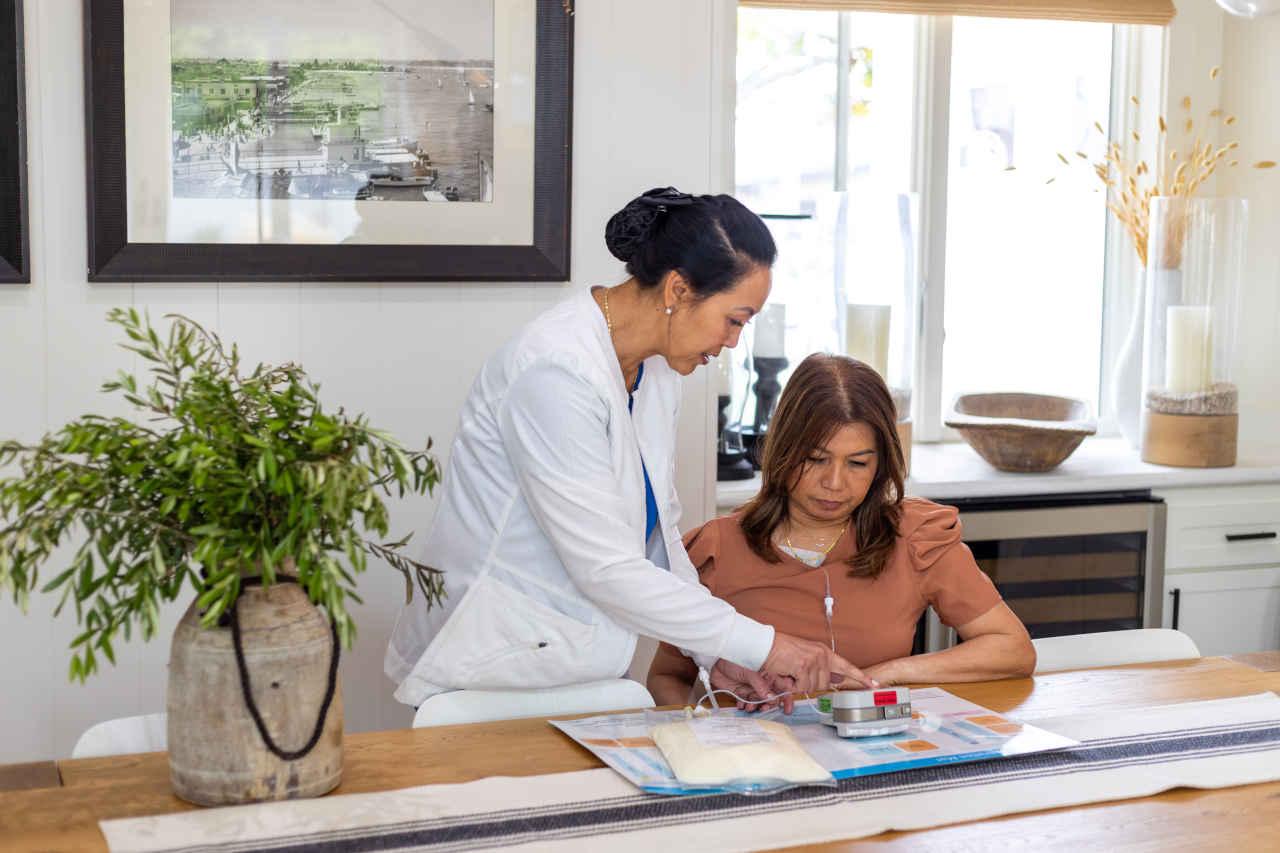
Professional nursing care plays a vital role in ensuring the safety and effectiveness of Total Parenteral Nutrition (TPN) provided outside the hospital. Patients receiving TPN At Home In Dubai benefit from regular nursing assessments that help maintain proper nutrition, prevent complications, and support overall recovery. Many families also choose Doctor at Home services alongside skilled nursing care to ensure continuous medical supervision and timely treatment adjustments. Through consistent monitoring and personalized care, nurses help patients manage long-term TPN therapy with greater confidence and comfort.
The Importance of Nursing Monitoring:
Home TPN therapy requires close observation because nutrients are delivered directly into the bloodstream through a central venous catheter. Nurses monitor every stage of treatment to ensure that infusions are administered correctly, the catheter remains healthy, and the patient's nutritional needs continue to be met. Regular assessments also allow early identification of potential complications before they become more serious.
Assessing the Patient's Overall Health:
Each nursing visit begins with a comprehensive evaluation of the patient's physical condition. Nurses carefully assess several important health indicators, including:
- Body temperature.
- Blood pressure.
- Heart rate.
- Respiratory rate.
- Weight changes.
- Hydration status.
- Overall energy levels.
- General physical well-being.
Monitoring the Central Venous Catheter:
The central venous catheter is one of the most important aspects of TPN therapy, requiring careful inspection during every nursing visit. Nurses examine the catheter site for redness, swelling, tenderness, leakage, or other signs of infection. They also verify that dressings remain clean and secure while ensuring the catheter functions properly throughout each infusion.
Reviewing TPN Infusion Procedures:
Nurses carefully observe the TPN administration process to confirm that every step follows prescribed medical guidelines. They inspect infusion pumps, verify infusion rates, examine tubing connections, and ensure that the nutritional solution is administered safely. If any irregularities are identified, nurses promptly communicate with the healthcare provider to determine the most appropriate course of action.
Monitoring Nutritional Progress:
One of the primary goals of nursing care is to evaluate whether TPN therapy is meeting the patient's nutritional requirements. Nurses monitor progress by reviewing changes in body weight, muscle strength, hydration, and overall physical condition. Ongoing assessments help determine whether the patient is responding well to treatment and whether adjustments may be required to support continued recovery.
Watching for Signs of Complications:
Early detection of complications helps prevent interruptions in treatment and supports better patient outcomes. During routine monitoring, nurses remain alert for symptoms such as:
- Fever or chills.
- Catheter site redness.
- Swelling or drainage.
- Difficulty during infusion.
- Shortness of breath.
- Sudden weakness.
- Unusual pain.
- Signs of fluid imbalance.
Educating Patients and Caregivers:
Patient education is an essential part of every nursing visit. Nurses provide practical guidance that helps patients and caregivers manage home TPN safely between appointments. Common educational topics include:
- Proper hand hygiene.
- Sterile catheter care.
- Safe equipment handling.
- Infusion schedule management.
- Storage of TPN supplies.
- Infection prevention measures.
- Recognizing symptoms that require medical attention.
Maintaining Accurate Medical Documentation:
Detailed documentation allows healthcare providers to monitor treatment progress over time. Nurses record vital signs, infusion details, catheter assessments, patient symptoms, nutritional observations, and any concerns identified during each visit. Accurate records help physicians evaluate the effectiveness of treatment and make informed decisions regarding future care plans.
Supporting Emotional Well-Being:
Long-term TPN therapy can affect emotional health as well as physical well-being. Nurses provide encouragement, answer patient questions, and help reduce anxiety by explaining treatment procedures and addressing concerns. Building a trusting relationship with patients and families promotes confidence, improves treatment adherence, and supports a more positive home healthcare experience.
Collaborating with the Healthcare Team:
Home TPN management depends on effective communication between nurses, physicians, dietitians, pharmacists, patients, and caregivers. Nurses serve as an important link by reporting changes in the patient's condition, discussing treatment progress, and coordinating care whenever adjustments become necessary. This collaborative approach helps ensure that every aspect of TPN therapy remains personalized, safe, and responsive to the patient's changing health needs.
Final Thoughts
Nurses play an essential role in the successful management of Total Parenteral Nutrition at home by providing continuous monitoring, expert catheter care, patient education, and ongoing health assessments. Their careful observation helps identify potential complications early while ensuring that nutritional therapy remains safe and effective. Through professional support, accurate documentation, collaboration with the healthcare team, and compassionate patient care, home nurses contribute significantly to improved treatment outcomes, greater patient confidence, and a higher quality of life for individuals receiving long-term TPN therapy.

 Arabic
 French
 Spanish
 Portuguese
 Deutsch
 Turkish
 Dutch
Dutch
 Italiano
 Russian
 Romaian
 Portuguese (Brazil)
 Greek
Greek